

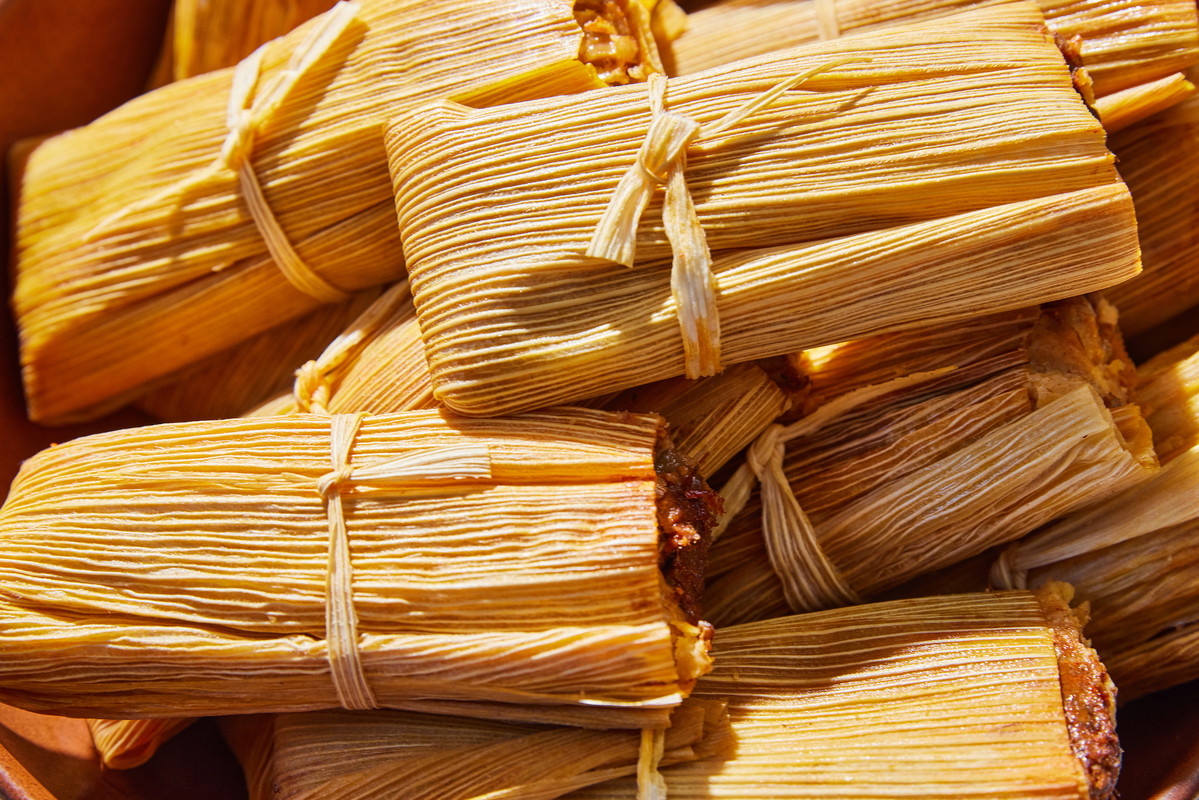
During the holiday season, one of the most frequently asked questions we hear at Masienda is, "can I make tamales with masa harina?"
The answer is yes, absolutely. And they're delicious. Making tamales using masa harina is a good way to make your tamalada (tamal-making party) just a bit easier. Our masa harina is a fine grind, so the texture of your finished tamales will be especially delicate and lovely. And good news: You can now score it at a grocery store near you.
Check out our video tutorial, the recipe at the bottom of the post, and read on for more helpful tips.
Tips & Tricks
Plan Ahead
Divide the project into two days. On day one, make a filling (or two). On day two, make your masa, then assemble and cook your tamales.
Whip It Good
Be sure to whip your fat (traditionally lard) until it's light and airy, almost like cake frosting, before sprinkling on the baking powder and adding your masa.
Make a Vegan Option
For plant-based tamales, swap the lard for vegan butter or coconut oil (refined if you prefer no coconut flavor), and use vegetable broth as your liquid.
Smooth Like Hummus
The texture of your masa for tamales is a personal preference, but we like it super smooth and spreadable — think hummus or cake batter.
The Penny Trick
To check your water level and avoid a scorched pot, place a penny below the steamer basket and fill with water. It should rattle while the tamales are cooking. If the sound stops, add more water.
FAQs About Tamales
How Will I Know My Tamales Are Done?
After steaming your tamales for about an hour, take one out of the steamer basket and let it cool for a minute or two. Unwrap it carefully. Does the masa separate from the husk? That's a good sign! The masa should also be slightly firm to the touch and not mushy. If the masa is still soft, you may want to cook them longer. Also, remember: the tamales will firm up once they cool down, especially after a day in the refrigerator.
What Color Masa Should I Use For Tamales?
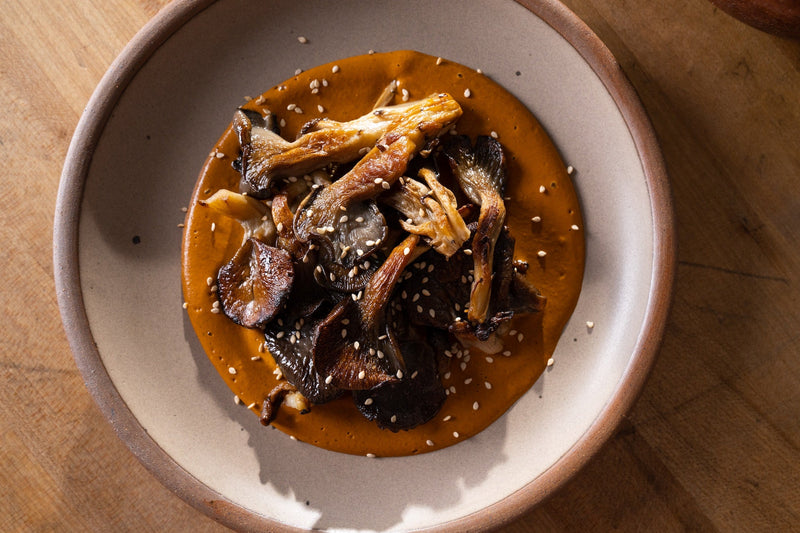
At Masienda, we offer four colors of Heirloom Corn Masa Harina (white, yellow, blue and red), all of which are suitable for making tamales. (We do not recommend Masa Taquera for tamales, due to its high alkalinity.) White is the most traditional choice, because it is a nice blank canvas for really getting to see the colors of the fillings inside, but there are really no rules here. We like to select a masa color that will make the choice of filling pop (red chile chicken against yellow masa, or green poblano peppers and white cheese against red masa), or flavors that pair nicely (the earthiness of blue masa with sauteed mushrooms, drizzled with some crema for contrast).
Change the Texture of Your Masa for Tamales
To mimic the coarser textured masa typically used in fresh-ground tamal masa, our Hospitality Manager Rachel has tested a home-cook DIY hack. Her method uses mostly masa harina with a bit of nixtamalized corn ground in a food processor for some added texture (about 10 parts masa harina to 2 parts nixtamalized corn). For the recipe below, she suggests lowering the quantity of masa harina from 9 cups to 7.5, and then cooking 1 cup of whole kernel corn with a pinch of cal. After nixtamalizing the corn, grind it in your food processor and blend that coarse masa with the masa harina to incorporate before adding the masa mixture to your whipped lard. Follow the rest of the instructions as written.
How to Make Sweet Tamales
Want to make tamales for dessert? Feel free to sub the lard for coconut oil, butter, or your favorite fat, and fill them with fruit, nuts or chocolate (or mix any fruit or flavoring directly into the dough!). We especially love this Blackberry Cheesecake Tamal recipe.


18 comments
Hi Melanie—thanks for your question! The bag is listed in ounces by weight, not volume. About 2.2 lbs of masa harina comes out to roughly 8 cups when measured, so the recipe and video are actually aligned. Please let us know if you have any additional questions.
I’m confused by the recipe. It calls for 8 cups or 1 bag of masa. The bags are 35.2 ounces which means they contain approximately 4 cups of masa. The expert in the video uses 1/2 the bag to make 25 tamales. Can someone clear this up for me? I’d hate to have my tamales not turn out because of incorrect ratios.
Hi Carolina! You can absolutely halve this recipe and still end up with a great batch of tamales.
Has anyone tried halving this recipe? I don’t need a big batch.
Hi Anette! Yes — you can absolutely use beef tallow for tamales. Let us know how they turn out!
Can you use beef tallow instead of lard?
I make these all the time, they’re fantastic. Coconut oil works great for vegans. Buen sabor!
Hi Amber! We recommend making the masa fresh right before spreading, but if you’d like to split the process into more days, you can make it ahead — just note that, like you mentioned, the fat will firm up in the fridge. If you attempt it, let the masa come back to room temp and rebeat/knead it with a splash of warm broth or water until it’s light, fluffy, and easy to spread again. Let us know how it turns out!
One of your tips is to divide the tamale process into two days. I’d like to take three days. I’m wondering, can I prepare the masa one day and refrigerate? And assemble my tamales on the third day? Or would it be too stiff to spread once the fat firms back up?
Over the years the one thing I haven’t mastered is my tamale filling. I can do the Chile cheese, the sweet, and even red pork. Mine come out ok. My problem is I am looking for that delicious savory red sauce used with the pork tamales I in Southern California many years ago. My imitate family didn’t make them. We bought them from a vendor selling them from a huge pot outside of a grocery store in Chino. Also a place that made them in Ontario California called “Tamale King”. Both are long gone. I am always trying new recipes for red pork filling hoping to find the perfect flavor we miss. I try recipes online. I have my mother in law’s recipe, tried a few Mexican friends recipes which are great but not quite it. Don’t you have any red sauce recipes we can try with your masa?