Make Tamales de Lengua for Your Next Tamalada

Tamales de lengua

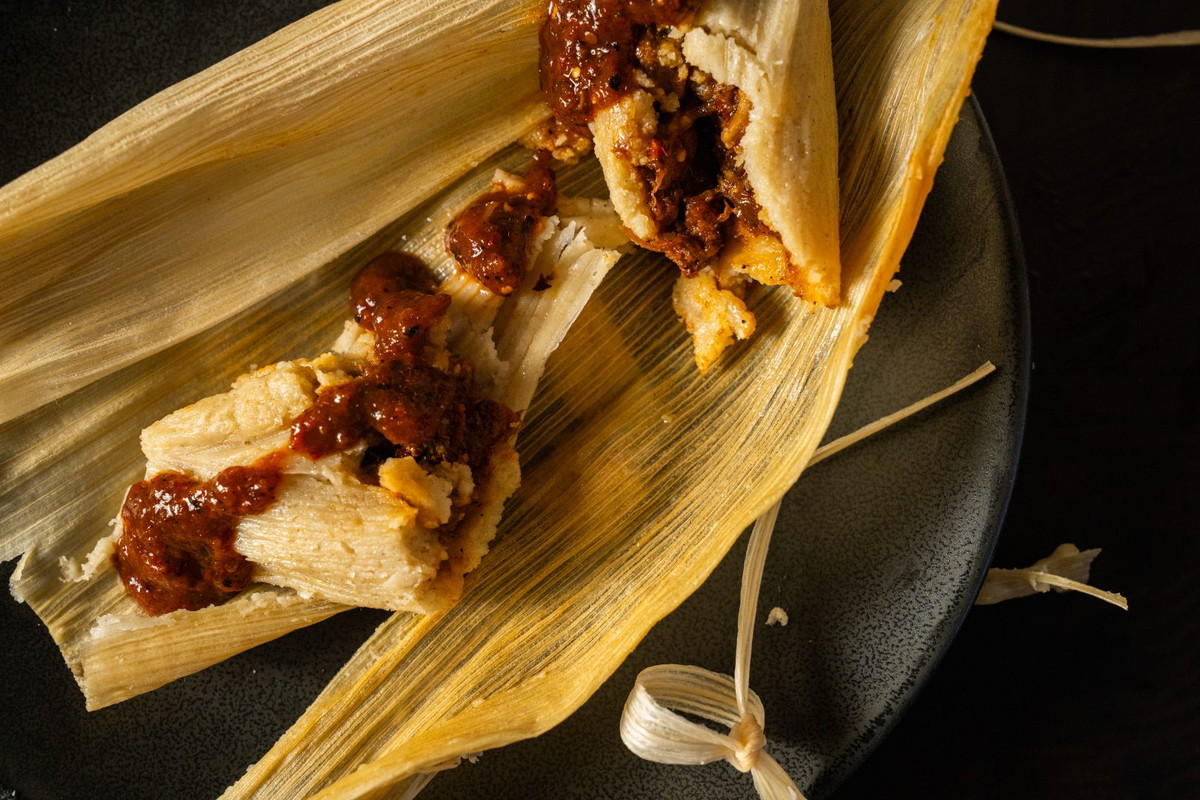
When I got home from the Cena de Muertos hosted by my friends Daniel & Ivan, the duo behind @homewithid, there was one dish I couldn't stop thinking about. Their tamal de lengua featured tender, well-seasoned shredded beef tongue, a bright tomatillo–guajillo salsa that balanced the meat's richness, and light, airy masa. Each tamal was built with intention, the husk twisted at both ends like a piece of candy before steaming into a perfectly tender bite. After that first taste, it was clear I needed to bring this recipe to our community. I invited Daniel and Ivan to showcase their technique and the thoughtful craft behind their tamales de lengua, and share their personal relationship to this special time of year. It’s a recipe worth celebrating, and I hope it makes its way to your tamalada.
Miguel, Masienda Community Manager

Tamales de Lengua (Beef Tongue Tamales)

Tamales de Lengua (Beef Tongue Tamales)

Daniel & Ivan @HomeWithID

Servings

~50 tamales

Ingredients

    blank

    • 1 beef tongue (3–4 lbs)

    • 2 bay leaves

    • 1 small white onion, cut in half

    • 4 garlic cloves

    • 3 tbsp salt

    • 10-12 cups water

    blank

    • 12 tomatillos, husked

    • 8 chiles guajillos, deveined and deseeded

    • 2–4 chiles de árbol

    • 2 garlic cloves

    • 1 small white onion

    blank

    • 50 corn husks

    • 3 cups lard

    • 4 tsp baking powder

    • 8 cups Heirloom Corn Masa Harina (1 full bag)

    • 2 ½ tbsp kosher salt

    • 6-8 cups broth (reserved from cooking the tongue), warmed

    Directions

      blank

      1. In a large stock pot or Instant Pot, combine the water, salt, bay leaves, onion, garlic, and beef tongue.

      2. Cover with a lid and bring to a simmer over medium heat. (If using an Instant Pot, set to pressure cook on high.) Cook for 4 hours on the stovetop (2 ½ hours in the Instant Pot), or until the tongue is tender. A fork or knife should easily slide through the meat when pierced.

      3. Remove the tongue and place on a cutting board or plate to cool for 15 minutes. Strain the broth from cooking the tongue and reserve.

      4. Peel the tongue by making an initial cut along the base of the tongue with a sharp knife. Begin to lift the skin off in large sections, revealing the tender meat underneath. Trim off any remaining fatty tissue or rougher bits from the bottom of the tongue.

      5. Once peeled, shred the meat using two forks and set aside.

      blank

      1. On a dry comal, sear the tomatillos, guajillos, chiles, onion, and garlic, turning to achieve even color.

      2. Remove the chiles and garlic as soon as they change color. Don’t let them burn, or they’ll make the salsa bitter.

      3. Continue cooking the tomatillos and onion until softened and charred. This should take about 5–7 minutes.

      4. Blend everything with 1 ½ tablespoons of salt until smooth.

      5. Mix the salsa with the shredded tongue.

      blank

      1. Soak corn husks in hot water for at least 10 minutes while you make the masa.

      2. Using a stand mixer with the whisk attachment or a hand mixer, whip lard on high until light and fluffy, about 5 minutes or until it’s the texture of cake frosting.

      3. Add baking powder and gradually add masa harina, incorporating well.

      4. Slowly add 6 cups of warm broth, mixing to form a cohesive dough. Reserve the extra two cups to adjust for moisture as needed. Yours may be wetter or thicker, depending on your preference. Your mixed masa should feel well hydrated and not gritty, with a creamy, airy texture that’s easy to spread.

      5. Taste the masa and add salt, whipping to incorporate.

      blank

      1. Gently wring out and pat the soaked corn husks dry with a kitchen towel.

      2. Arrange a husk so the wide end is closest to you and the smooth side is facing up. Using a spoon, spatula, or bench scraper, spread a thin, even layer of masa (about 2 oz, or 4 tbsp) across the center of the husk, leaving a few inches of husk exposed on both ends for twisting and tying. You’re looking to create a masa area about 3 by 5 inches.

      3. Add about 1 oz (1–2 tbsp) of the lengua filling directly in the center of the masa.

      4. Bring the long sides of the husk together to enclose the filling, then twist both ends of the husk—like wrapping a piece of candy—and secure each end with a thin strip of corn husk to hold everything in place.

      blank

      1. Fill the bottom of a tamal steamer (or a pot with a steamer basket) with water.

      2. Place a layer of corn husks on the steamer rack, then arrange the tamales upright on top and cover with a lid.

      3. Steam for 1 to 1½ hours over medium-high heat.

      4. Check for doneness by untying one tamal and gently opening the husk. If the masa pulls away cleanly and holds its shape, they’re ready. Keep in mind that a fuller pot will require a longer steaming time.

      5. Remove the tamales from the heat and let them rest, covered, for at least 15 minutes so the masa can firm up as it cools. ¡Provecho!

      4 comments

      MASIENDA |

      Hi Rocio! Yes — you can absolutely use our blue masa harina for tamales. Let us know how they turn out!

      ROCIO MULLINS |

      Can I use any masa to make these tamales? Can I use the blue corn masa?

      MASIENDA |

      Hi Catherine! You can reheat tamales a few different ways — on a comal or skillet with the husk on, fried in a bit of oil, in the air fryer, or in the microwave. Totally up to you!

      CATHERINE MORRISON |

      Can you please advise what is the best way to reheat tamales. Thank you

      Leave a comment

      Please note, comments need to be approved before they are published.