Make Claudette Zepeda's Enchiladas Rojas

Make Claudette Zepeda's Enchiladas Rojas

Meet our September Chef en Residencia: Claudette Zepeda. Raised between San Diego and Tijuana, the Top Chef star’s culinary approach is influenced by the fluidity between cultures. She's kicking things off with a classic border-style dish, Enchiladas Rojas from Monterrey, Mexico. Fill them with the Red Wine Braised Short Ribs she includes in the recipe below, or keep it weeknight-friendly by making the sauce ahead and filling with cheese and/or shredded rotisserie chicken.

From Claudette Zepeda's cookbook, Cooking the Borderlands:

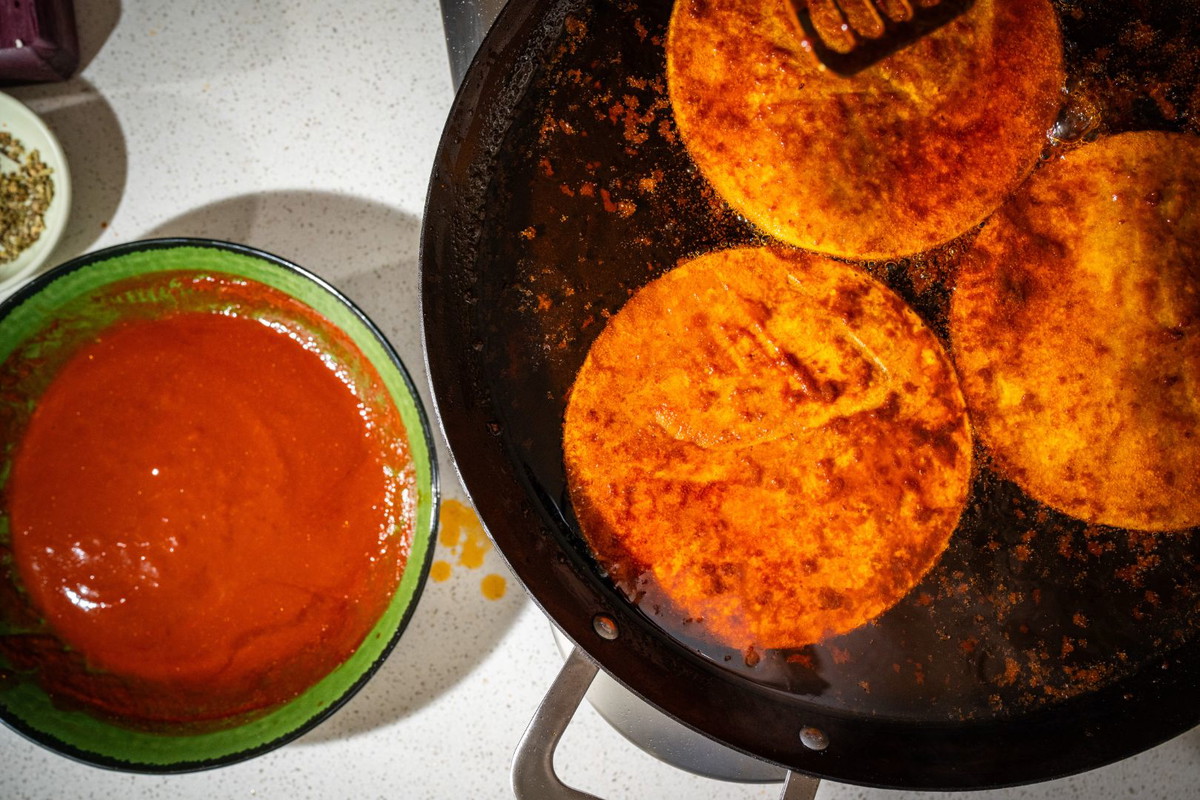
Yes, these enchiladas are first dipped in a wet salsa . . . and then fried in hot oil. Why? I suppose because in the state of Monterrey, they like to live on the wild side. Adding a water-based sauce to frying oil is sort of like finding a wild black stallion in the mountains of the Sierra Madre Occidental and trying to jump on. This specific high-stakes method is not necessarily unique to this area, but these enchiladas are a favorite of Norteños. And the risk is not without reward. With this admittedly perilous technique, the adobo fries into the tortilla, helping concentrate the flavor and create a texture somewhat like that of a sauce-covered chicken wing. And it’s doable if you’re careful and prepared. Wear long sleeves. And a last piece of advice: If hot oil splatters on your hand, do not launch your piping-hot tongs into the air. You can do this—I believe in you!

Reprinted with permission from Cooking the Borderlands: Spice and Smoke Between Mexico and the States by Claudette Zepeda. Copyright © 2026 by Claudette Zepeda. Published by Clarkson Potter, an imprint of the Crown Publishing Group, a division of Penguin Random House LLC, New York.

Norteño-Style Enchiladas Rojas (Red Enchiladas)

Norteño-Style Enchiladas Rojas (Red Enchiladas)

Servings

4-6 enchiladas

Category

Enchiladas

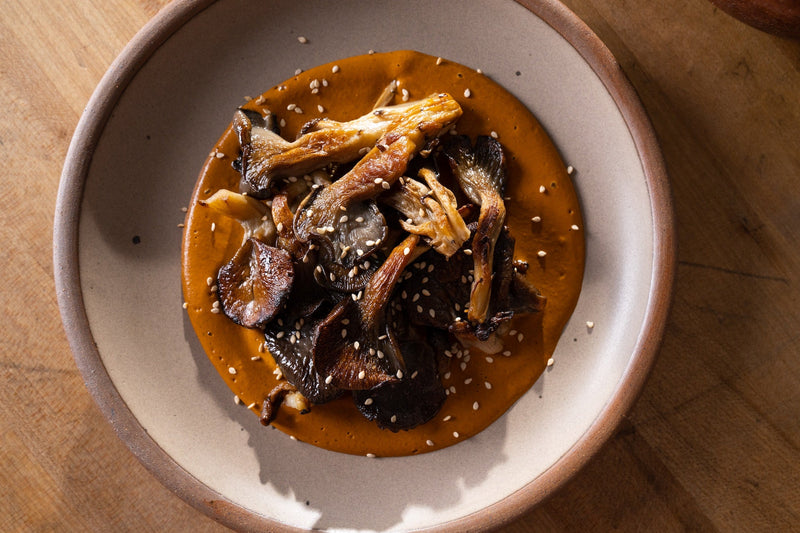
Claudette Zepeda’s enchiladas rojas feature corn tortillas coated in a smoky, deeply savory red chile sauce, then fried in oil, and filled with cheese, braised short ribs, and onion for a comforting Mexican classic with just the right amount of heat.

Ingredients

    blank

    • 1 bay leaf

    • 2 dried avocado leaves (optional)

    • 1 hoja santa leaf (optional)

    • 1 fresh thyme sprig

    • 1 bunch cilantro

    • 2 pounds boneless beef short ribs, cut into 2-inch pieces

    • Diamond Crystal kosher salt

    • 1 teaspoon freshly ground black pepper

    • 2 teaspoons garlic powder

    • 2 teaspoons onion powder

    • Grapeseed oil

    • 2 tablespoons tomato paste

    • 1 medium white onion, diced

    • 2 carrots, diced

    • 2 ribs celery, diced

    • 1½ cups red wine

    • 2 tablespoons white distilled vinegar

    blank

    • 2 cups crumbled queso fresco

    • ¼ medium white onion, minced

    • 3 epazote leaves, minced

    • ½ cup minced cilantro

    • 2 cups Red Wine–Braised Short Ribs (recipe above)

    • Freshly ground black pepper

    • Diamond Crystal kosher salt

    • 3 dried cascabel chiles, stemmed and seeded

    • 2 dried ancho chiles, stemmed and seeded

    • 1 teaspoon ground cumin

    • ¼ cup whole milk

    • Vegetable oil, for frying

    • 12 (5-inch) corn tortillas

    blank

    • Mexican crema

    • 2 cups thinly-shaved Iceberg lettuce

    • Queso Cotija, finely grated (optional)

    Directions

      blank

      1. Tie the bay leaf, avocado leaves, hoja santa leaf (if using), thyme, and cilantro together into a bouquet with twine. Set aside.

      2. Spread the short rib pieces in a single layer on a paper towel-lined baking sheet to bring to room temperature, about 30 minutes. Pat the beef dry with another paper towel.

      3. Season the beef all over with salt, black pepper, and the garlic and onion powders.

      4. Set a large Dutch oven over medium heat and add a generous glug of oil. When the oil is shimmering, add the beef in a single layer (work in batches if needed to avoid crowding the pan). Sear the beef on one side for 5 minutes; when nicely browned, flip and sear on the other side. Repeat until the beef is well-browned all over—this can take 15 to 20 minutes total. Remove the browned beef from the pot and set aside in a medium bowl.

      5. Add the tomato paste to the skillet and cook for 2 minutes, until fragrant and darker in color, using a wooden spoon to keep scraping the bottom of the Dutch oven to keep the tomato paste from burning. Add in the onion, carrots, celery, and a pinch of salt. Cook for 4 minutes, until softened, continuously scraping the bottom of the pot to remove stuck bits.

      6. Add the herb bouquet, red wine, vinegar, and 1 cup of water. Continue to scrape up the caramelized layer on the bottom of the pan.

      7. Turn the heat to low, and add the seared beef back to the Dutch oven. Stir to incorporate and cover the pot with a lid. Cook for 2 hours on low heat.

      8. After 2 hours, check the meat for doneness using a fork—it should fall apart easily. If too much of the liquid evaporates before the beef is finished cooking, add an additional cup of water; you want it to have created its own sauce, but not watery. When the beef is cooked, remove and discard the herb bouquet. Adjust the seasoning to taste.

      9. If shredding, transfer the meat to a bowl to cool until you can handle it with your bare hands. Use your hands or two forks to shred the meat. (You can also shred it in a stand mixer fitted with the paddle attachment, on low speed for about 2 minutes.) Store the shredded beef with its sauce in a resealable plastic bag (or bags, depending on the portion sizes you want). The beef can be stored in the fridge for 3 days, or frozen for up to a month.

      blank

      1. In a small bowl, combine the queso fresco, onion, epazote, cilantro, and prepared shredded beef. Stir to incorporate and season with salt and pepper to taste. Set aside.

      blank

      1. First, toast the chiles on a dry skillet or comal over medium heat, until they start changing color; the reds will deepen and you will begin to smell the chiles.

      2. Fill a saucepan halfway with water and set it over medium-high heat. Once the water reaches a simmer, turn the heat off and add in the toasted chiles. Cover the pan and allow the chiles to steep in the hot water for 10 minutes.

      3. In a blender, combine the softened chiles, cumin, black pepper, and 1 cup of the soaking water (discard the rest of the water). Blend until smooth; then taste and season with salt as needed. Strain the sauce through a fine-mesh sieve back into the saucepan that you used to soak the chiles. Whisk the milk into the chile sauce; then place the pan over low heat to keep the sauce warm.

      blank

      1. Set up an enchilada assembly station nearby where you’re frying, with a serving platter, the filling mixture, and the pot of warm enchilada sauce. Keep the filling nearby as well.

      2. In a skillet, add about ½ inch of frying oil and set over medium heat until the oil shimmers, or reaches 350°F on a cooking thermometer. Make sure you are wearing long sleeves, have a splatter screen, or are using a pot lid to shield yourself!

      3. Using tongs, dip a tortilla into the enchilada sauce, coating it completely. Shake the tortilla to allow any excess sauce to drip back into the saucepan. Then carefully ease the coated tortilla into the skillet with the hot oil. The oil will splatter right away, so protect yourself!

      4. Fry the tortilla in the oil for about a minute on each side, then remove from the oil and set it on the serving platter. Fill the fried tortilla with ¼ cup of the queso fresco filling, and fold the tortilla over the filling to close the enchilada. Repeat with the remaining tortillas, arranging them in a row on a platter.

      5. Cover the filled enchiladas with the remaining sauce and garnish them with crema, lettuce, and more finely grated Cotija (if using).

      Leave a comment

      Please note, comments need to be approved before they are published.